
Biblical Self-Defense, part 1
Weekly Sermon, 16 July 2023
By Pastor John Weaver
In this weekly sermon, I not only want to provide you with an audio, but to highlight what this sermon is about. In addition, I will provide a little quiz to help you in your Bible study. God willing, I will do this to more weekly sermons, including those that may be posted during the week.
I hope that you enjoy this new format and find it a blessing in your study of God’s Word.
For the rare book referenced in this sermon, The Sabbath in Puritan New England, Click Here
Introduction
The author, Pastor John Weaver, emphasizes that the Word of God is relevant in every area of life, including self-defense, and provides guidance and principles for this subject. The message includes historical background on self-defense, such as the recommendation by the Continental Congress for men to carry arms and ammunition to public worship during the war for independence. The Pastor also explores the sixth commandment, “Thou shalt not kill,” and its positive and negative aspects, which imply the obligation to preserve life and defend oneself and others. The message includes scriptural admonitions related to self-defense and aims to provide a biblical perspective on this important topic.
Outline of Sermon
I. Introduction
– Emphasis on the relevance of the Word of God in every area of life, including self-defense
– Historical background on self-defense during the war for independence
II. The Sixth Commandment
– Negative aspect: “Thou shalt not kill”
– Positive aspect: Obligation to preserve life and defend oneself and others
– Scriptural admonitions related to self-defense
III. Conclusion
– Importance of understanding the biblical doctrine of self-defense
– Encouragement to study and apply the Word of God in all areas of life
Here, you’ll learn about the historical and scriptural background of self-defense and how it is relevant in every area of life. The sixth commandment, “Thou shalt not murder,” will be explored in depth.
Three Common Questions:
1. What are some scriptural admonitions related to self-defense?
2. How does the Word of God cover every principle in every subject, including self-defense?
3. Can you provide more information on the historical background of self-defense?
1 What are some scriptural admonitions related to self-defense?
There are several scriptural admonitions related to self-defense. One example is in Matthew 10:31, where Jesus says, “Fear you not? You have more value than many sparrows.” This implies that it is right to defend oneself and the lives of others. Additionally, the positive aspect of the sixth commandment, “Thou shalt preserve life,” supports the obligation of self-defense and defense of others according to the law of God.
2 How does the Word of God cover every principle in every subject, including self-defense?
The Word of God is relevant in every area of life and covers every principle in every subject. This includes self-defense, which is explored in depth in the biblical doctrine of self-defense. The sixth commandment, “Thou shalt not murder,” has both a negative and positive aspect, which implies the obligation to preserve life and defend oneself and others. Therefore, the Word of God provides guidance and principles for self-defense and other areas of life.
3 Here are some historical background on self-defense. During the war for independence, the provincial Congress or the Continental Congress recommended that all men within 20 miles of the seacoast carry their arms and ammunition with them to the meeting house on the Lord’s Day and all other days of public worship. This was discovered to be wise during the war, and it suggests that our forefathers were biblical and right in their approach to self-defense.
Here are the Bible verses quoted in this sermon:
– Exodus 20:13
– Exodus 21:12-14
– Exodus 21:15
– Leviticus 20:10-21
– Leviticus 20:11-14
– Exodus 22:19
– Leviticus 20:15-16
– Deuteronomy 24:7
– Proverbs 20:20
– Matthew 15:4
– Mark 7:10
Quiz:
1. What is the main topic of this PDF?
A) The history of self-defense
B) The biblical doctrine of self-defense
C) The importance of gun ownership
D) The role of the military in self-defense
2. What is the sixth commandment?
A) Thou shalt not steal
B) Thou shalt not commit adultery
C) Thou shalt not kill
D) Thou shalt not bear false witness
3. What is the positive aspect of the sixth commandment?
A) The obligation to preserve life
B) The prohibition of murder
C) The right to bear arms
D) The duty to seek justice
4. What is the negative aspect of the sixth commandment?
A) The obligation to preserve life
B) The prohibition of murder
C) The right to bear arms
D) The duty to seek justice
5. What is the author’s main message regarding self-defense?
A) Christians should never use violence to defend themselves or others
B) Christians should always use violence to defend themselves or others
C) Christians should study and apply the Word of God to understand the biblical doctrine of self-defense
D) Christians should rely on the government to protect them from harm
Answers:
1. B
2. C
3. A
4. B
5. C
Biblical Self-Defense, part 1
I. Introduction
– Discusses the biblical doctrine of self-defense
– Addresses objections to this doctrine
II. Passages Examined
– Matthew 26
– Mark 14
– Luke 22
– John 18
III. Biblical Perspective on the Use of Force for Protection
– Examines the meaning of key terms in Luke 22:36
– Explains how these terms relate to the biblical doctrine of self-defense
IV. Objections to the Biblical Doctrine of Self-Defense
– Addresses the main objection to the biblical doctrine of self-defense
– Examines why the apostles did not use their swords to defend themselves and Jesus Christ
V. Conclusion
– Provides a thoughtful and insightful analysis of the biblical teachings on self-defense
– Offers valuable insights for readers who are interested in this topic.
The following Bible verses are quoted:
– Matthew 26:51-52
– Mark 14:47
– Luke 22:35-38
– John 18:10-11
– Matthew 21:32
– Isaiah 33:1
– Judges 1:1-4
PDF: Quiz:
1. What is the subject of the message that the author began last night?
A) The biblical doctrine of self-defense
B) The history of the early Christian church
C) The life and teachings of Jesus
D) The importance of prayer
2. Which gospel is the only one to record a question about smiting with a sword?
A) Matthew
B) Mark
C) Luke
D) John
3. Which of the following is NOT a Bible verse quoted in the sermon?
A) Matthew 26:51-52
B) Mark 14:47
C) Luke 22:35-38
D) John 3:16
4. What is the main point of the PDF?
A) To provide a comprehensive analysis of the biblical doctrine of self-defense
B) To argue against the use of violence in any form
C) To explore the historical context of the four gospel accounts of Jesus’ arrest
D) To encourage readers to study the Bible more deeply
Answers:
1. A) The biblical doctrine of self-defense
2. C) Luke
3. D) John 3:16
4. A) To provide a comprehensive analysis of the biblical doctrine of self-defense
Summary of these Two Sermons
Yes, according to Pastor Weaver, self-defense is necessary at certain times. The author argues that it is not only biblical, but also obligatory to defend oneself, one’s family, friends, and neighbors, even to the point of taking life if necessary. The author cites several Bible verses to support this argument and addresses objections to the biblical doctrine of self-defense.
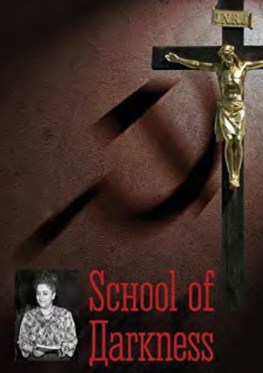
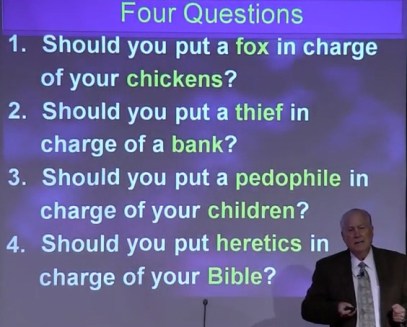

 All Americans are celebrating July 4. Notice how everyone calls it July 4 instead of Impendence Day? I think that this is appropriate and there is no independence in America, which you can also substitute the word “freedom.” That has long since gone.

Anti-Free Speech in Russia
No Free Speech When It Comes to World War II
Yes, there is a law in Russia that prohibits the public denial of Nazi crimes and the distortion of the Soviet Union’s role in World War II. The law, known as the Law Against Rehabilitation of Nazism, is Federal Law no. 128-FZ of May 5, 2014 “On Amendments to Certain Legislative Acts of the Russian Federation.” was passed and makes these acts punishable by up to 5 years in prison.
The law defines “Nazi crimes” as “crimes committed by the Nazi regime and its collaborators during World War II, including the Holocaust, the mass extermination of Soviet citizens, and the enslavement of the peoples of Europe.” The law also defines “distortion of the Soviet Union’s role in World War II” as “the dissemination of information that contradicts the facts established in the Nuremberg trials or that falsely presents the Soviet Union’s role in the war.”
The law has been criticized by some human rights groups, who argue that it is too broad and could be used to silence legitimate historical debate. However, the Russian government has defended the law, arguing that it is necessary to protect the country’s historical memory.
The legal reference for the Law Against Rehabilitation of Nazism is Federal Law no. 128-FZ of May 5, 2014 “On Amendments to Certain Legislative Acts of the Russian Federation.”
Here are some examples of the types of statements that could be considered violations of the Law Against Rehabilitation of Nazism:
* Denying that the Holocaust happened.
* Claiming that the Soviet Union was responsible for the Holocaust.
* Asserting that the Soviet Union did not play a major role in defeating Nazi Germany.
* Minimizing the number of Soviet citizens who died in World War II.
It is important to note that the law does not prohibit all criticism of the Soviet Union’s role in World War II. It only prohibits statements that are considered to be false or misleading. For example, it would not be a violation of the law to criticize the Soviet Union’s use of mass starvation as a weapon of war.
Notice, you can’t discuss the holocaust of Christians, as this would be exposing what the Communist did against Christians. You see, we don’t count, but another group (you guess) does count!
As you can see, there is no freedom of speech in Russia – at least regarding this matter. EU, Canada and the US has their anti-free speech topics that you can’t discuss.
Now, regarding Russia’s law, it seems to be OK for Russia to cover up its crimes during WWII. They set the “facts” and you can’t disagree with it.
White people have a bad case of cogitative dissonance, sad to say. Here is an example: you still have statues in some cities Russia of Lenin but that seems to be OK.
In Belarus, you see statues of Lenin, and in the metro (their underground, subway system), there are the Communist symbols as well as Communist flags. When an average citizen is asked why, they respond by saying, “This is part of our history, whether we like it or not,” or words to that effect.
Now, what would the average Russian or Belarus person say, if Germany still have the swastika or statues of Hitler on the street? What would a jew say? They would go ballistic! The jews would say that it’s a hate symbol, and it is for that reason it’s illegal to have this in Germany and many other European countries, too. You can be fined and go to prison. But not for the antichrist communist symbol! Why? Because a certain group really do support it, which means supporting all the murdering, torture and imprisonment it caused.
It’s about time Christians everywhere rise up.